Embryo Transfer in Surrogacy: What to Expect in 2026
This walkthrough reflects how embryo transfers are handled in the clinics our teams work with. Protocols vary by clinic and by the surrogate’s cycle, so treat this as a map, not a script.
Embryo Transfer in Surrogacy: What to Expect in 2026
The embryo transfer is the moment the entire surrogacy journey has been building toward, the step where a fertilized embryo is placed into the surrogate’s uterus and the waiting begins. For intended parents it can feel both anticlimactic and momentous, a short procedure that carries years of hope. Understanding what actually happens, from the mock cycle weeks earlier to the pregnancy test two weeks later, helps parents show up calm and prepared instead of anxious and confused.
The Mock Cycle: Rehearsal Before the Real Thing
Most clinics run a mock embryo transfer, sometimes called a trial transfer, weeks before the real one. The doctor passes a soft catheter through the cervix to map the uterine path, measure the angle, and confirm the embryo can be placed precisely. It is painless and quick, but it protects against surprises on transfer day. If the mock reveals a tricky anatomy, the clinic adjusts the technique in advance. Parents rarely see this step, but it is one of the reasons first-transfer success rates keep improving.
Preparing the Lining: Estrogen and Progesterone
For a frozen embryo transfer, the surrogate’s natural cycle is usually suppressed and replaced with medications that build a thick, receptive uterine lining. Estrogen builds the lining, monitored by ultrasound, and once it reaches the right thickness, progesterone is added to make the uterus receptive. The timing of the progesterone start sets the transfer date, which is why clinics track the surrogate’s hormones so carefully. A lining that is too thin or mistimed is the most common reason a transfer is postponed rather than canceled.
Embryo Selection and Thawing
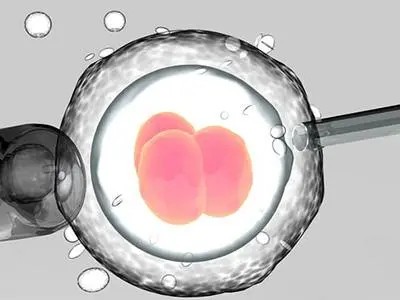
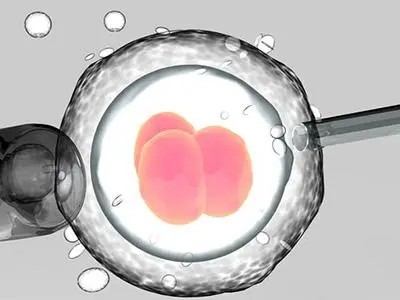
On transfer day the lab selects the embryo, usually the highest-grade available, sometimes after genetic testing confirmed it is euploid. A frozen embryo is thawed a few hours before the procedure. If multiple embryos were created, the parents and clinic decide together how many to transfer. Most modern programs transfer a single embryo to avoid the risks of twins, a standard that has dramatically improved safety without sacrificing success rates.
The Transfer Procedure Itself
The transfer takes ten to twenty minutes and needs no anesthesia. The surrogate lies on the exam table with a full bladder, which tilts the uterus into a better position. A speculum is placed, the catheter is guided through the cervix, and the embryo is released gently into the uterine cavity while the doctor watches on ultrasound. Then the catheter is withdrawn. The surrogate rests briefly, and she can usually go home the same day. Parents are often allowed in the room, and many describe watching the embryo appear on the ultrasound as the most moving moment of the whole process.
The Two-Week Wait
After transfer, the surrogate continues progesterone and usually estrogen to support implantation. The clinic schedules a blood pregnancy test about ten to fourteen days later, the beta hCG test, because a blood test is far more reliable than an early home test. Clinics strongly advise against testing at home during this window, because faint lines create panic and false conclusions. This is the hardest stretch for parents, and the healthiest thing to do is stay busy, trust the protocol, and let the clinic call with the result.
Early Milestones If It Works
A positive beta is the first step, not the finish line. The clinic repeats the hCG test a few days later to confirm it is rising appropriately, then schedules an ultrasound at roughly six weeks to see the gestational sac and heartbeat. Reaching a confirmed heartbeat is the milestone that turns hope into probability. Until then, clinics watch closely, and parents should resist the urge to interpret every symptom, because progesterone supplements cause bloating and cramping that mimic and mask early pregnancy signs.
If the First Transfer Does Not Take
Many families need more than one transfer. A negative result is devastating, but it is also common and rarely the end of the road. The clinic reviews what happened, checks embryo grading and lining response, and usually proceeds to the next frozen embryo with only minor protocol tweaks. Parents who planned for a second transfer upfront cope far better than those who assumed one would be enough. Persistence, not a single attempt, is what usually brings the baby home.
How Parents Can Support the Surrogate
The surrogate carries the physical load, but the parents carry the emotional one, and small gestures matter. Confirming appointment times, sending a kind message on transfer day, respecting her rest recommendations, and staying available without hovering all help. The transfer is a team event, and the parents who handle it best are the ones who treated the surrogate as a partner rather than a vessel.
Medications and Side Effects to Expect
The hormone regimen is the part surrogates feel most. Estrogen can cause bloating, mood swings, and breast tenderness; progesterone, given by injection or suppository, often brings fatigue, cramping, and irritability. None of this means the transfer is failing, these are expected effects of building a receptive uterus. The surrogate should report unusual pain or heavy bleeding, but most side effects are manageable and fade after the first trimester if the pregnancy continues. Parents who understand this beforehand are far less likely to misinterpret a text message about cramping as bad news.
What the Surrogate Does After Transfer
Recommendations vary, but most clinics suggest light activity, hydration, and avoiding strenuous exercise for a day or two, not strict bed rest, which research no longer supports. The surrogate continues progesterone and often estrogen until the placenta takes over around ten weeks if pregnant. She should avoid hot baths, heavy lifting, and anything her clinic flags. Parents can help by handling logistics, sending meals, and keeping appointments easy. The surrogate’s calm recovery supports the best possible environment for implantation during those critical first days.
Success Rates and Realistic Expectations
A single transfer with a high-quality embryo has a success rate that varies with the surrogate’s age and lining response, often in the forty to sixty percent range per transfer at strong clinics. That sounds low until you remember most families have several frozen embryos and multiple attempts available. The honest expectation is that surrogacy usually takes more than one transfer, and planning emotionally and financially for that reality is what separates a smooth journey from a stressful one. Hope for one, but budget for two or three.
Frozen vs Fresh Embryo Transfer
Most surrogacy today uses frozen embryo transfer, where the embryo is created and frozen in an earlier cycle, then thawed for transfer after the surrogate’s lining is ready. Fresh transfer, where the embryo goes in during the same stimulation cycle, is less common in surrogacy because it ties the surrogate’s cycle to the egg source and leaves less time to optimize her lining. Frozen transfer lets clinics sync the surrogate’s hormones precisely and screen embryos with PGT before transfer, which is why success rates are often strong despite the extra freezing step.
The practical upside for parents is control. A frozen transfer means the embryo is banked and tested before the surrogate even begins medications, so a failed egg retrieval does not waste her time or health, and a genetic finding does not force a difficult decision mid-cycle. The minor downside is the thaw survival risk, which at good labs is very low. For almost all modern surrogacy, frozen embryo transfer is the standard parents and clinics choose, and understanding why helps parents feel confident rather than concerned when the clinic recommends it.
Staying Calm During the Wait
The two-week wait is as much an emotional test as a medical one, and how parents handle it shapes the whole experience. The most useful habit is to stay engaged with normal life rather than refreshing forums for symptom interpretations, because every progesterone-induced cramp means nothing and everything at once. Many parents find that a planned distraction, work, exercise, or a short trip, plus a single designated person to text with worries, keeps anxiety from dominating the days. The clinic will call with the beta result, and trusting that process is healthier than self-testing, which only manufactures false certainty in either direction.
For medically reviewed detail on embryo transfer and IVF, see the American Society for Reproductive Medicine and the CDC’s ART clinic data.

Frequently Asked Questions
Is the transfer painful? Almost never. It feels similar to a Pap smear for most surrogates, with no anesthesia needed and minimal discomfort.
Should I be in the room? If the clinic allows it and you want to be, yes. Many parents find it meaningful. But it is also fine to wait outside if that is more comfortable for you or the surrogate.
Why a single embryo and not two? Single transfer sharply reduces the risks of twins, premature birth, and complications, while success rates stay high with good-quality embryos. It is the current medical standard.
The embryo transfer is a short procedure with a long emotional tail. Parents who understand each step, from the mock cycle to the beta test, walk in prepared and walk out able to truly enjoy the moment, whatever the result brings.