Fertility After 35: What Actually Changes and What Still Helps in 2026
What changes for fertility after 35 in 2026: the biological shift, testing, the cost of delay, donor-egg options, miscarriage risk, what helps, and treatment paths.

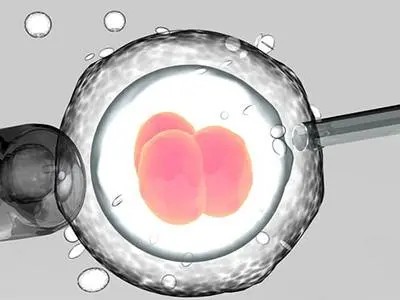
What changes for fertility after 35 in 2026: the biological shift, testing, the cost of delay, donor-egg options, miscarriage risk, what helps, and treatment paths.
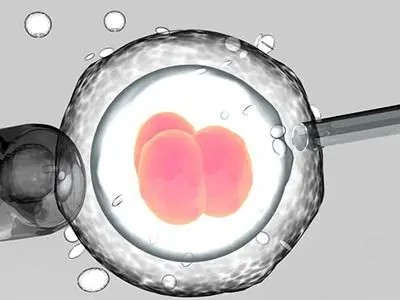
Using a known sperm donor with a gestational carrier: why families choose it, the parentage risk, what the agreement must cover, screening, open-ID comparison and FAQ.

Health risks for gestational carriers: baseline obstetric risk, medication protocols, complications, multiples, delivery recovery, psychological preparation and informed consent.

Emotional support across a surrogacy journey: screening, the strain of waiting, separate needs of intended parents and surrogates, protecting the relationship, and planning for loss.
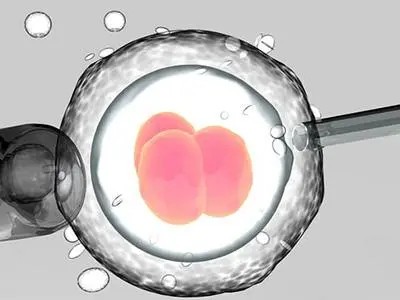
Using donated embryos with a gestational carrier: what donated embryos are, screening limits, anonymous versus open donation, legal transfer, realistic expectations and FAQ.

How to move forward after pregnancy loss in surrogacy: investigation worth doing, timing the next attempt, protecting the match, and deciding whether to continue.

Why surrogate applications are rejected: medical exclusions, parity and caesarean rules, psychological screening, logistics and which declines are temporary.

What real protection for surrogates looks like: bodily autonomy, independent legal advice, payment security, insurance, privacy, and post-birth support.

How to plan an exit strategy for surrogacy: thresholds set in advance, the sunk cost trap, medical and relational signals, and the legal mechanics of stopping.
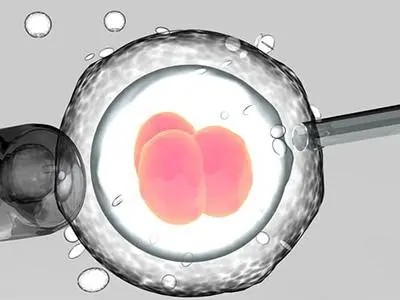
Practical next steps after failed IVF: establishing why cycles failed, investigations worth completing, when donor gametes are the real answer, and choosing a carrier.
内容结束
内容结束