How Many Trips Does IVF Abroad Require? A 2026 Timeline
Before families book flights, we map the calendar with them, and the same question comes up every time: how many times will we actually have to fly? This guide is built from published clinic schedules and from conversations with intended parents who completed cross-border IVF. It is general information, not medical or legal advice.
How Many Trips Does IVF Abroad Require? A 2026 Timeline
A couple in their late thirties asked us to mark a year on the calendar before booking anything. They wanted to know how many hotel nights to budget, whether one long trip could replace two, and what to tell their employer. The question – how many trips does IVF abroad require – drives flights, leave and a surprising share of the bill. This guide walks the real sequence, including waiting periods clinics rarely print in brochures, the fresh-transfer versus freeze-all choice, and the paperwork that catches people out. Cost figures are 2026 United States and destination-market ranges and vary by clinic.
The short answer: one or two trips, usually several weeks apart
Most overseas IVF patients make two trips. Trip one covers baseline testing, eight to twelve days of stimulation and egg retrieval. Trip two covers transfer, three to five days later in the same stay or four to eight weeks later. Patients monitored locally sometimes do everything in one visit of fourteen to twenty-one days, but that needs a clinic accepting outside scans and a transfer without a long waiting window.
How long do you need to stay abroad for IVF? Plan ten to fourteen nights for retrieval and five to seven for a later transfer, plus a buffer day. With PGT-A, the second trip moves out because biopsy results take one to three weeks. Ask the coordinator for a written calendar with exact dates, not “we will be in touch.”
Before you fly: four to eight weeks of work at home
The calendar starts before the first flight. Clinics ask for AMH, an antral follicle count, a uterine assessment, thyroid and prolactin tests, infectious-disease screening, a semen analysis and often carrier screening. Results take one to four weeks; an abnormal result can change the protocol or postpone the cycle. Send digital copies in the clinic’s format and keep originals in hand luggage. Most programs offer a video consultation to agree the protocol before travel.
Surrogacy journeys also need legal paperwork settled before stimulation: parentage orders, carrier contracts and agency agreements are commonly required before transfer. Laws differ sharply between countries and between US states, so review each jurisdiction with a local lawyer. This article gives no guidance on arranging surrogacy where it is prohibited, including mainland China; lawful outbound medical tourism here means IVF, egg freezing and related testing.
Trip one, days 1 to 14: baseline scan through egg retrieval
Arrive two or three days before stimulation is due to start. Day one is a baseline ultrasound and blood draw, usually on day two or three of the period, followed by injection training. Stimulation then runs eight to twelve days for most patients, with four to six monitoring visits. Each visit takes fifteen to forty-five minutes including blood work and the doctor’s review. Near the end, scans may be daily, so a hotel fifteen to thirty minutes from the lab matters more than a cheaper room across town.
The trigger shot is given in the evening once follicles reach the clinic’s threshold, and egg retrieval follows about thirty-four to thirty-six hours later. The procedure itself takes twenty to thirty minutes under sedation, with one to two hours in recovery; most patients go home the same day. A partner or sperm provider usually gives a sample that morning. Plan one quiet day afterwards: bloating and cramping are common, and the clinic will want a check-in before you fly. This is the part of the IVF abroad timeline that cannot be compressed.

Lab days 1 to 6: reading the embryology report
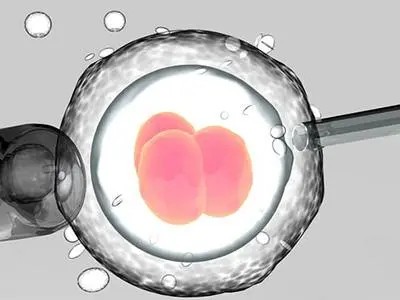
After retrieval, the embryology laboratory takes over. Fertilisation is checked the next day, embryos are assessed on day three at the six-to-eight-cell stage, and blastocysts are graded on day five or six. Clinics differ in how they report: some send an update at each milestone, others one summary. Ask when the written report arrives and whether photos are included, since those records help if you change clinics.
Blastocyst grading describes appearance, not a guarantee: a top-grade embryo can fail to implant, and a lower-grade one can result in a healthy baby. With PGT-A, cells are biopsied on day five or six, embryos are frozen and results return in one to three weeks. ICSI or repeat insemination can add a day or a fee, so confirm the lab’s sequence in writing before paying.
Fresh transfer or freeze-all: the decision that changes your trip count
A fresh transfer happens in the same stay, usually three days after retrieval for a cleavage-stage embryo or five to six days for a blastocyst. It is considered when the lining looks appropriate and the risk of ovarian hyperstimulation is low. In that scenario, one trip of twelve to sixteen nights can cover retrieval and transfer. Patients often prefer it for the lower travel burden, but it is not appropriate for everyone, and the medical team should make the call after the final scan.
In a freeze-all cycle, every usable embryo is frozen and transfer happens four to eight weeks later. This is standard with PGT-A, a thin lining, high OHSS risk or carrier synchronisation. In a gestational-carrier journey you may fly home after retrieval while the carrier attends transfer locally. Ask whether first-year storage is included and what a later transfer costs – both are easy to miss in a package quote.
Trip two, transfer week: five to seven days on site
How many days do you need in country for an embryo transfer? Most clinics want five to seven. The schedule usually includes a lining check, sometimes a mock transfer to measure the uterine cavity, starting progesterone, then the transfer itself. The procedure takes ten to fifteen minutes, is usually painless, and is followed by thirty to sixty minutes of rest. Light activity for a day or two is normal; strenuous exercise and long flights immediately afterwards are commonly discouraged.
Some programs let you fly home the next day; others ask for two to three days of observation. Build that buffer into the ticket. A mock transfer done one to two weeks earlier can turn one short visit into two – this is where the “one trip” promise often breaks. Ask how many in-person appointments fall between the lining check and transfer.
The two-week wait and the blood test after you fly home
A beta-hCG blood test is timed nine to twelve days after transfer, with results in twenty-four to forty-eight hours and an early ultrasound around six to seven weeks if positive. Many patients test at a local laboratory and send the result to the clinic, avoiding a third flight. Confirm in advance whether outside results are accepted and how fast a nurse reviews them.
If the cycle fails, review embryo grade, lining thickness and progesterone before changing anything. Refund policies vary: some clinics refund part of a cancelled cycle but not dispensed drugs. Get the terms in writing, including what happens if no eggs are retrieved or no blastocysts develop.
A worked calendar: what one overseas cycle looks like
Here is a realistic two-trip example. Weeks minus six to minus two: local tests, records review and video consultation. Week one: fly in two days before the period starts, baseline scan, injection training, stimulation begins. Week two: four to six scans, trigger on day ten, retrieval on day twelve, written report on day seventeen. Weeks three to five: embryos grow to blastocyst, PGT-A samples are sent, results return. Weeks six to eight: fly back for lining checks and transfer, stay six nights. Week ten: beta test at home. Total time abroad is roughly seventeen to twenty nights across two visits, spread over nine to eleven weeks.
A one-trip fresh-transfer version compresses this: arrive, stimulate twelve days, retrieve, wait five days, transfer and fly home around day sixteen. It saves a second set of flights but leaves no room for a lining problem or lab delay. Price both plans, then let the clinic decide on medical grounds after the baseline scan.
Travel costs line by line, not just the treatment quote
Treatment packages rarely include travel. Round-trip flights can run 600 to 1,600 USD per person depending on origin and season; hotel nights commonly cost 90 to 250 USD in the cities where fertility clinics cluster; a professional medical interpreter may charge 150 to 350 USD a day; a driver or rideshare budget of 25 to 70 USD a day is realistic when you are attending early scans. Allow 100 to 300 USD for shipping or insuring medication and 80 to 250 USD for short-term travel insurance. These are United States market ranges for 2026 and vary by city, clinic and exchange rate.
On a two-trip plan, travel can add 2,000 to 6,000 USD for two people, plus a ten to fifteen percent contingency for a delayed flight or extra scan. Full fee disclosure and realistic expectations should come before payment; the American Society for Reproductive Medicine publishes ethics guidance on financial arrangements and informed consent (accessed November 2026). Ask for an itemised quote separating clinic, lab, drugs, storage and tests.
Visas, medicines and documents across borders
Check which visa permits medical treatment. A tourist visa may not cover a Treatment cycle in some countries, and assuming otherwise can end a plan at immigration. Passports usually need at least six months of validity, and clinics can issue an appointment letter for the visa file. Keep the invitation letter, payment receipts, medical records and a doctor’s letter for medication in one folder, physically and on your phone. The US Centers for Disease Control and Prevention publishes annual ART reporting and patient-facing information that helps families understand how success rates are counted (accessed November 2026).
Import rules for fertility drugs differ. Carry original labelled boxes and a prescription letter naming each product; refrigerated pens need a documented cold chain, or ask the clinic to supply drugs on arrival. Translated records save time at the first appointment. For a plain-language treatment overview, the Cleveland Clinic patient library is useful (reviewed 2024, accessed November 2026). Parentage and cross-border legal questions belong with a local lawyer.
Frequently Asked Questions
How many trips does IVF abroad require?
Usually two: one for retrieval, one for transfer. One trip works only with local monitoring and a fresh transfer.
How long must I stay after egg retrieval?
One to two days of recovery plus a check-in; ten to fourteen nights covers the first visit.
How long after retrieval is transfer?
Three to five days fresh, or four to eight weeks in a freeze-all cycle; longer with PGT-A.
Can I do IVF abroad in one trip?
Sometimes, if the clinic accepts outside scans and fresh transfer is suitable. Confirm in writing.
When will I get the embryology report?
Updates come on fertilisation day, day three and day five or six; PGT-A takes one to three weeks.
How soon can I test after transfer?
A beta-hCG blood test is nine to twelve days after transfer. Many clinics accept an outside result.
What travel costs are easy to forget?
Hotel nights on both visits, interpreters, drivers, medication shipping and a ten to fifteen percent buffer.
Cost figures describe 2026 United States and overseas market ranges and vary by city, clinic, exchange rate and protocol. This article is general information, not medical or legal advice. Treatment decisions belong to a qualified reproductive specialist, and cross-border legal questions should be reviewed with a lawyer in the relevant jurisdiction.