Endometriosis and Fertility: How the Condition Affects Conception and Your Options
Endometriosis and Fertility: How the Condition Affects Conception and Your Options
Endometriosis is a condition where tissue similar to the uterine lining grows outside the uterus, and it is a leading cause of both pelvic pain and difficulty conceiving. For many women, the fertility impact is the first sign something is wrong, arriving years after silent symptoms. If you have been diagnosed or suspect endometriosis and want to understand your chances of pregnancy, this guide walks through how the disease interferes with conception, what treatment can do, and where assisted reproduction fits.
What endometriosis is
Endometriosis occurs when endometrial-like tissue implants on the ovaries, fallopian tubes, pelvic lining, or occasionally farther afield. These implants respond to the menstrual cycle, bleeding internally and causing inflammation, scar tissue, and adhesions over time. It is distinct from normal periods; the problem is location and the body’s reaction to misplaced tissue, not merely heavy bleeding. The condition ranges from a few small spots to extensive involvement of pelvic structures.
How it impairs fertility
Endometriosis can reduce fertility through several routes at once. Distorted anatomy from adhesions may block or trap the egg near the tube. Ovarian endometriomas, often called chocolate cysts, can lower ovarian reserve in the affected ovary. Chronic inflammation may also affect egg quality and the uterine environment. Importantly, the degree of pain does not always match the degree of fertility impact, so a woman with severe pain may conceive naturally while another with mild disease struggles, which makes individual evaluation essential.
Stages and what they actually mean
The standard classification ranges from stage I, minimal, to stage IV, severe, based on lesion extent and adhesions. Lower stages often still allow natural conception, while higher stages more frequently involve structural barriers. But staging is a snapshot of anatomy, not a verdict on your odds; many women with stage III or IV endometriosis conceive, particularly with timely treatment. Your clinician will interpret the stage alongside your age and how long you have been trying.
Symptoms that are often missed
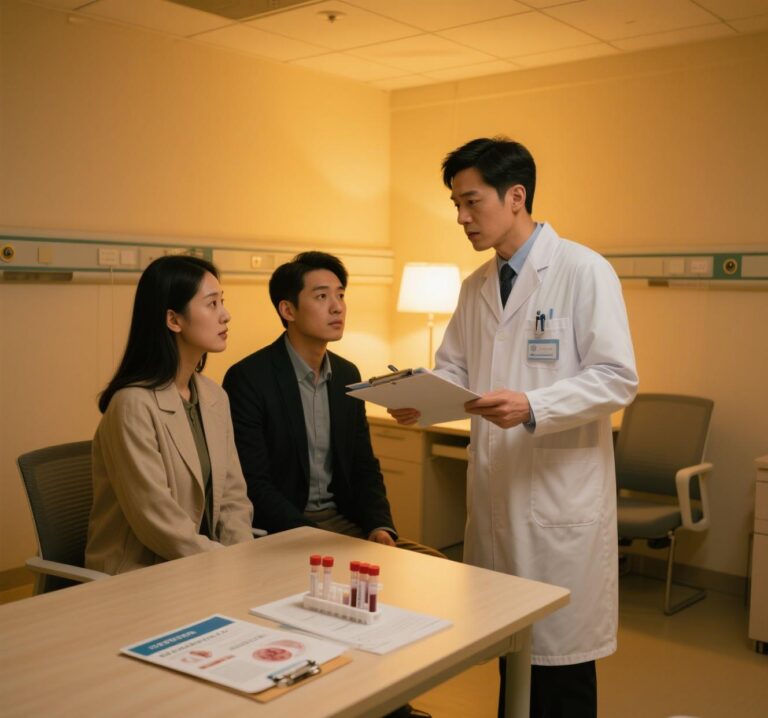
Beyond painful periods, endometriosis can cause pain during intercourse, bowel or bladder symptoms around menstruation, fatigue, and ovulation pain. Because these are dismissed as “bad periods” for years, diagnosis is frequently delayed. If painful symptoms coexist with trouble getting pregnant, raising endometriosis explicitly with your clinician can shorten the path to both diagnosis and a fertility plan rather than treating the two separately.
Treatment to protect fertility
Surgery to remove endometriosis lesions can improve fertility in selected cases, especially for minimal to mild disease, by restoring cleaner anatomy. For more advanced disease, the benefit of surgery must be weighed against the risk of reducing ovarian reserve when cysts are removed. Medical suppression of endometriosis with hormones helps pain but is not a fertility treatment on its own, since it pauses rather than restores conception, so it is generally used between rather than during attempts to conceive.
Where IVF fits
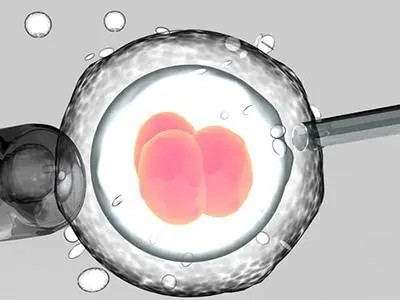
IVF is often the most effective route when endometriosis causes tubal damage, reduced ovarian reserve, or when timed intercourse and surgery have not worked within a reasonable window. Because endometriosis can affect egg and embryo environment, clinics may adjust stimulation and consider genetic screening, though the evidence for routine screening here is nuanced. The advantage of IVF is that it bypasses the anatomical and inflammatory barriers that endometriosis creates, delivering the embryo directly to the uterine cavity.
Surgery timing and trade-offs
If surgery is recommended, timing matters. Operating too close to planned IVF can temporarily lower ovarian response, while waiting too long may let disease progress. A fertility-focused surgeon aims to remove disease while sparing healthy ovarian tissue, and many programs coordinate surgery and IVF within a defined sequence. Asking whether a surgeon specializes in fertility-preserving endometriosis surgery is a reasonable and important question.

Realistic timelines and when to act
For women under 35 with mild endometriosis, a few months of trying may be reasonable, but for women over 35 or with moderate to severe disease, delaying assisted reproduction rarely helps and often hurts. Age remains the strongest predictor of success regardless of endometriosis, so the condition should sharpen rather than relax the urgency of a plan. A clear timeline agreed with your clinic keeps treatment from drifting into years of uncertainty.
Endometriosis and the case for egg freezing
Because endometriosis, especially with ovarian endometriomas, can gradually reduce ovarian reserve, some women choose to freeze eggs earlier rather than later. The logic is to bank gametes before cysts or surgery diminish supply, preserving options if natural conception takes longer than hoped. Freezing is not urgent for everyone, but for women with known stage II or higher disease who are not ready to conceive immediately, a frank reserve assessment and a timeline conversation with a specialist are worthwhile. The decision hinges on age, cyst history, and how aggressively the disease has affected the affected ovary.
Adenomyosis versus endometriosis
Adenomyosis, where endometrial tissue grows into the muscular wall of the uterus, is often confused with endometriosis but behaves differently and affects fertility through a disturbed uterine environment rather than tubal anatomy. The two can coexist, and both respond to hormonal and surgical management to varying degrees. Distinguishing them matters because treatment and the expected benefit of IVF differ; adenomyosis may need suppression before transfer to improve implantation. A detailed ultrasound or MRI, read by someone experienced with both conditions, clarifies which you are dealing with.
Managing pain alongside fertility goals
For many women, endometriosis pain and fertility treatment pull in different directions: pain relief often uses hormonal suppression that pauses conception, while fertility efforts need cycles to happen. Coordinating both requires a clinician who treats the whole picture rather than one symptom. Non-hormonal pain strategies, timed intervention, and selecting surgeries that relieve pain without harming ovarian tissue all play a role. Acknowledging pain as a legitimate part of the plan, not a side issue, improves both quality of life and adherence to the fertility timeline.
Long-term health beyond fertility
Endometriosis is associated with broader health considerations, including higher rates of certain autoimmune and inflammatory conditions and, in some studies, cardiovascular and metabolic differences. These links are still being mapped, but they reinforce treating endometriosis as a long-term condition rather than only a fertility obstacle. Managing it well during your conception years sets up better health afterward, and a clinician who discusses surveillance and lifestyle is treating the condition, not just the immediate goal of pregnancy.
Diagnosis without immediate surgery
Many women assume endometriosis can only be confirmed by laparoscopy, but experienced centers now diagnose it confidently with detailed transvaginal ultrasound and, when needed, MRI, especially for ovarian and deep infiltrating forms. This non-surgical route matters for fertility planning because it avoids the small ovarian reserve risk of surgery while still guiding treatment. Laparoscopy remains the definitive tool and is therapeutic when lesions are removed, but it is no longer the only first step, and a careful imaging read by a specialist often provides enough to begin a sensible plan.
Where to find credible information
Endometriosis attracts a flood of unverified advice online, from restrictive diets claimed to cure it to supplement regimens with thin evidence. Credible guidance comes from specialist societies, major academic medical centers, and clinicians who treat the condition daily, not from forums where anecdote stands in for data. Bringing questions sourced from reputable material to your appointments, rather than relying on social media, keeps your plan grounded in what actually moves fertility and symptom outcomes, and helps you spot the difference between supportive self-care and false promises.
Preserving fertility before surgery
When endometriosis surgery is planned, particularly on an ovary with a endometrioma, a conversation about fertility preservation beforehand is wise. Removing cysts can sometimes reduce the ovarian reserve in that ovary, so banking eggs or embryos before the procedure protects future options if natural conception then proves slow. This is not needed for everyone, but for women who are not yet ready to conceive and face ovarian surgery, the timing of preservation relative to the operation can matter. Raising it with both your surgeon and your fertility specialist turns a potential trade-off into a planned, informed choice rather than an afterthought.
Sources and further reading
This guide draws on professional guidance from Mayo ClinicNIHACOG and related clinical bodies. Always confirm treatment details with a qualified fertility specialist.
Frequently Asked Questions
Can I get pregnant naturally with endometriosis? Yes, many women do, especially with minimal or mild disease, though the condition can lengthen the time it takes and raises the case for earlier evaluation.
Should I have surgery before IVF? It depends on stage and ovarian reserve; surgery helps some but can reduce egg supply in others, so the decision is individualized with a fertility surgeon.
Does endometriosis cause miscarriage? Some studies suggest a modestly higher miscarriage association, though the relationship is complex and not solely causal; IVF and screening can help manage risk.
Will pregnancy cure my endometriosis? Pregnancy often suppresses symptoms temporarily because of hormonal changes, but it is not a cure, and symptoms can return after delivery.
Endometriosis complicates conception through anatomy, inflammation, and ovarian involvement, but it rarely closes the door. The most effective plans pair a realistic timeline with the right level of intervention, whether that is careful surgery, IVF, or a sequence of both.