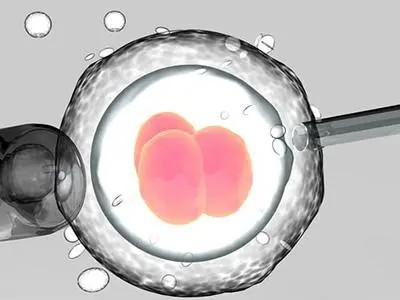
IVF Abroad Cost by Country 2026: Prices Compared Side by Side
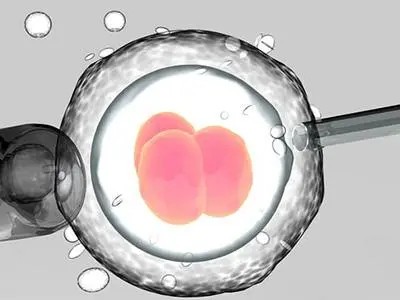
IVF Abroad Cost by Country 2026: Prices Compared Side by Side
“IVF abroad costs” is one of the most searched phrases in fertility planning, and for good reason. A single cycle in the United States can cost several times what the same treatment does elsewhere, and the difference is large enough to change whether a family can pursue treatment at all. But comparing prices across countries is harder than it looks, because clinics quote different things and the cheapest headline number is rarely the final bill.
This guide compares IVF abroad cost by country in 2026, explains which factors actually drive the gaps, and gives you a framework for reading any clinic quote. It covers standard IVF and ICSI, medication, common add-ons and the travel costs that belong in a realistic budget.
Why the same treatment costs so much less abroad
Price differences come from local fee structures, not from a different procedure. Laboratory work, physician time, embryology staffing and facility overhead are priced in local currency and reflect local wage levels. In many countries the public system also keeps baseline fertility care inexpensive, which puts private clinic pricing under pressure. Medication is often the exception: the same branded drugs can cost close to the same everywhere, which is why medication is frequently quoted separately.
Regulation is the other driver. International patients often start with broad reference material such as the overview of in vitro fertilisation before narrowing to specific clinics. Countries with lighter administrative requirements have lower compliance overhead. That can be a cost benefit, but it also means you must do your own due diligence on lab standards, embryo handling and outcome reporting.
Typical price bands by destination
Across the destinations most often compared by international patients, a conventional IVF cycle without donor eggs generally falls into a few broad tiers. Eastern European and Mediterranean countries commonly sit in the lower-to-mid range, with strong laboratory reputations and shorter wait times. Western Europe is typically higher but offers tighter regulation. Parts of Asia and Latin America offer competitive pricing with good clinic infrastructure, particularly for patients combining treatment with a short stay.
These bands move with exchange rates and local demand, so treat them as orientation rather than a quote. The useful comparison is always a written, itemised treatment plan from two or three clinics in the same tier.
The add-ons that change the total
Base-cycle prices rarely include everything a patient ends up using. Intracytoplasmic sperm injection, preimplantation genetic testing, embryo freezing, donor eggs, donor sperm and long-term storage are usually separate. For patients over 38 or with a history of loss, PGT-A can materially improve the odds per transfer, which may justify the added cost. For younger patients with a good prognosis, it may not be worth it. Ask each clinic which add-ons it recommends and why, rather than selecting them from a menu because they sound advanced.
Medication deserves special attention. A stimulation protocol can vary significantly in drug cost depending on whether generic or branded products are used and how high the dose needs to be. Ask for an estimated medication range based on your age and ovarian reserve, not a fixed figure that assumes an average patient.

Travel, timing and the hidden budget
Treatment abroad compresses a medical timeline into a travel schedule. A fresh cycle may require a stay of two to three weeks, with monitoring appointments on fixed dates. Frozen embryo transfer can split the journey into two shorter trips. Flights, accommodation, local transport and the ability to take unpaid leave all belong in the budget, and they can narrow the apparent savings of a cheaper country.
Time zone and language also matter. A clinic with an English-speaking international coordinator reduces the risk of miscommunication at exactly the moments when precision counts. Factor in a buffer for one extra night in country after transfer, because flying immediately is rarely recommended.
How to read a clinic quote honestly
Start by asking what the quoted price actually covers: monitoring scans, blood tests, egg retrieval, anaesthesia, fertilisation, culture, transfer and any freeze-all. Then ask what is not included. Request the clinic’s success rates broken down by age band, and confirm whether the figure is per transfer or per started cycle. The Centers for Disease Control and Prevention publishes guidance on interpreting clinic data, and the American Society for Reproductive Medicine offers patient resources on evaluating a programme. Use those standards even when the clinic is outside the United States.
A reputable clinic will welcome detailed questions. Pressure to pay quickly, refusal to provide age-banded outcomes, or a quote with vague line items are signals to walk away.
Choosing a country rather than a single clinic
Pick the country first based on legal environment, travel distance and typical protocol, then choose the clinic within it based on lab quality and communication. This ordering prevents the common mistake of falling in love with one clinic’s price and then discovering the country’s rules create a problem for parentage or future treatment. If you are also considering surrogacy, note that the rules for IVF and for third-party pregnancy are often different in the same country, so verify both separately.
Fresh versus frozen transfer abroad
The choice between a fresh and a frozen embryo transfer changes both the medical plan and the travel budget. A fresh transfer happens within the same cycle as egg retrieval, which means one longer stay but fewer separate trips. A frozen approach allows the body to recover, gives the lab time to complete genetic testing if elected, and splits treatment into two shorter visits. Many clinics now prefer a freeze-all strategy because it gives better control over the uterine environment and avoids the risk of ovarian hyperstimulation affecting implantation.
From a cost perspective, freezing adds laboratory fees and storage, but it can avoid a wasted transfer when testing reveals that the available embryos are not suitable. For patients using donor eggs or PGT-A, the ability to select a single euploid embryo after testing is often worth the added expense. Ask each clinic which approach it recommends for your specific situation and why, rather than assuming the cheaper fresh cycle is the better deal.
Travel timing follows the same logic. A frozen transfer gives you flexibility to return home between retrieval and transfer, which matters if you cannot take a long continuous leave. Build both versions of the itinerary into your comparison so the true cost of each is visible.
Donor egg cycles across borders
Donor eggs change the economics of treatment abroad more than any other add-on. They also change the success calculation in a favourable direction: eggs from a young screened donor produce outcomes closer to the under-thirty band regardless of the intended mother’s age. For patients over forty or with a history of poor egg quality, this can be the difference between repeated failed cycles and a realistic path to pregnancy.
Costs vary widely by country, and so do the rules. Some jurisdictions require identifiable donors, others permit anonymity, and a few restrict compensation to reimbursement only. These rules affect both the price and the practical logistics of matching. If donor eggs are part of your plan, ask the clinic to quote both an own-egg and a donor-egg cycle, and confirm the donor screening standard in writing. The Food and Drug Administration sets donor screening requirements in the United States, and comparable standards should be demonstrated elsewhere.
Parental rights and future disclosure are separate questions worth addressing early. A child born through donor eggs may one day seek information about their genetic origin, and the legal framework in your home country shapes what can be accessed. Discuss this with counsel before signing, not after treatment begins.
Language, coordination and medical records
International treatment succeeds or struggles on the quality of communication. Even in clinics with excellent international coordinators, details can be lost when medical history crosses languages. Bring a concise, translated summary of your fertility history: prior cycles, diagnoses, medications, surgical history and test results. Ask the clinic what format it prefers and whether it needs original reports or certified translations.
Appoint a single point of contact on your side who receives every email and keeps a dated folder of quotes, consents and results. When several family members are involved, fragmented communication is a common source of duplicated tests and missed deadlines. A coordinator who responds in writing and confirms changes in writing is worth far more than one who is merely friendly.
After treatment, request a complete medical record in digital form. If a later cycle happens elsewhere, or if you need to explain the pregnancy to a doctor at home, a clean record saves both time and money. This is especially important when the journey involves both IVF abroad and a surrogate in a different jurisdiction.
When staying home is the better value
Treatment abroad is not automatically the right choice. If your domestic clinic offers a comparable success rate at a price you can manage, the savings abroad may be erased by travel, time off work and the coordination burden. Patients with complex medical histories may also do better close to home, where their existing care team can be involved quickly and records are already in one system.
There is also the question of continuity. A familiar clinic knows your history and can adjust a protocol without a full re-evaluation. Starting over abroad means repeating tests and accepting a team’s judgement without the same baseline. For straightforward cases the trade-off is usually favourable; for complicated ones it deserves careful thought.
The honest comparison is not country against country but total plan against total plan. Put the domestic quote, the foreign quote, travel, time and risk tolerance side by side. If the gap is small, staying home is often the calmer decision. If it is large enough to change whether treatment is possible at all, going abroad becomes a reasonable and widely practised choice.
Frequently Asked Questions
Which country is cheapest for IVF? Prices vary by clinic and by what is included. Eastern European and some Mediterranean destinations are consistently competitive, but the lowest base price is not always the best value once add-ons and travel are counted.
Is medication included in IVF abroad packages? Often not. Medication is one of the most common exclusions, so ask for a separate estimate before comparing quotes.
Can I use donor eggs abroad? Yes in many destinations, and donor egg cycles are often less expensive than in the United States. Rules on donor anonymity and compensation differ by country, so check the local framework.
How do I verify a clinic’s success rates? Ask for age-banded live-birth rates per transfer and per cycle, and check whether the clinic publishes outcomes through a recognised registry. Be cautious of headline rates with no age breakdown.
To go deeper on a specific destination or the wider price landscape, the country-by-country surrogacy cost guide and the IVF abroad cost breakdown cover the same questions from different angles.