IUI vs IVF: How to Choose the Right Fertility Path in 2026
IUI vs IVF: How to Choose the Right Fertility Path in 2026
When a couple or individual starts fertility treatment, one question comes up almost immediately: should we begin with IUI or go straight to IVF? The choice is not just about money or patience. It shapes how long you wait for results, how invasive the months ahead feel, and how much emotional energy you spend before a pregnancy test. This guide compares intrauterine insemination and in vitro fertilization in plain language, using the factors clinics actually weigh, so you can walk into your consultation with a clearer plan.
The short answer before the details
If you are under 35 with unexplained infertility or mild male-factor issues, a few cycles of IUI are often the recommended first step because the procedure is simpler and far less expensive. If you are over 38, have blocked tubes, severe male-factor infertility, or have already failed several IUI cycles, IVF usually offers a better chance per attempt and saves time you may not have. Age and diagnosis, more than anything else, drive the right starting point.
What IUI actually involves
Intrauterine insemination is a low-tech procedure. A clinician collects a washed sperm sample and places it directly into the uterus around the time of ovulation, bypassing the cervix and shortening the sperm’s journey. It is timed with either a natural cycle or light ovulation stimulation using oral medication. The appointment itself takes minutes, needs no anesthesia, and feels similar to a Pap smear for most people. Because it is minimally invasive, IUI is often repeated across several cycles before moving on.
What IVF actually involves
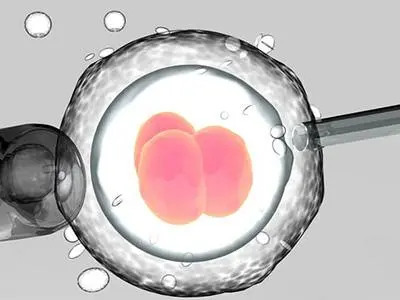
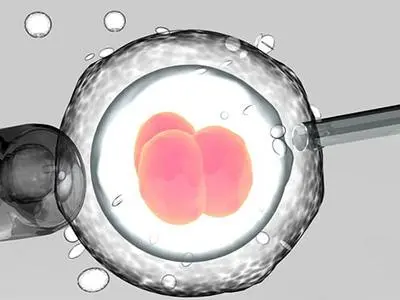
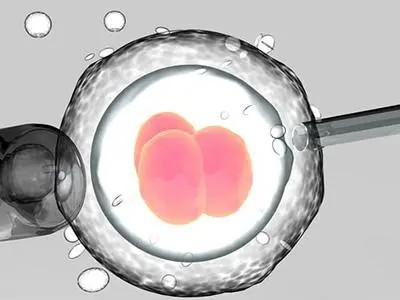
In vitro fertilization is a multi-week process. Ovarian stimulation uses injectable hormones to grow several eggs at once. Those eggs are retrieved under light sedation, fertilized in a laboratory, and the resulting embryos are cultured for several days. A single healthy embryo is then transferred to the uterus, with any extras frozen for later. IVF is more demanding on the body and the schedule, but it gives clinicians far more control and information at every stage, which is why its per-cycle success is higher.
Success rates side by side
Success depends heavily on age. For women under 35, a single IUI cycle may succeed roughly 10 to 15 percent of the time, while a single IVF cycle often succeeds 40 to 50 percent with a euploid embryo. By age 40, IUI success per cycle typically drops below 5 percent, whereas IVF with genetic screening still offers meaningful odds. The practical takeaway is that IUI works best when odds per attempt are already decent, and IVF pulls ahead sharply as age or diagnosis lowers those odds.
How the costs compare
IUI is inexpensive relative to IVF, often a fraction of the price per cycle, which makes repeating it affordable for a while. IVF costs several times more up front but usually requires fewer total attempts to reach a live birth for many patients. When you calculate cost per baby rather than cost per cycle, the gap narrows, and for older patients IVF can become the more economical route simply because it succeeds faster. Fertility financing and clinic packages can change the math, so ask for both per-cycle and expected-total figures.
Who IUI works best for
IUI is a reasonable first step for couples with unexplained infertility, mild endometriosis, cervical mucus issues, or mild male-factor infertility where sperm counts are only slightly low. Single women and same-sex female couples using donor sperm also commonly start with IUI. The key is that the fallopian tubes must be open and the sperm must be capable of fertilizing an egg on its own, because IUI does nothing to assist fertilization directly.
Who should consider going straight to IVF
IVF is the clearer first choice when tubes are blocked or absent, when male-factor infertility is moderate to severe, when a woman is over 38 and time is limited, or when genetic screening is desired to avoid passing on a known condition. It is also preferred after repeated IUI failure, because continuing IUI beyond three or four cycles rarely improves cumulative odds and mostly delays IVF. A clinic will usually map this out with you during the first workup.
Risks and how they differ
IUI carries few physical risks because stimulation is light, though mild ovarian hyperstimulation is possible with medication. The larger cost of IUI is emotional: more cycles, more waiting, more disappointment if it does not work. IVF carries a higher chance of multiples if more than one embryo is transferred, along with the physical demands of stimulation and retrieval. Choosing single-embryo transfer in IVF largely controls the multiple-risk while preserving success when screening is used.
How clinics help you decide
A fertility workup typically includes hormone testing, an ultrasound of the ovaries, a semen analysis, and sometimes a tubal check. Those results, combined with age and how long you have been trying, let the clinician recommend a path with real numbers rather than guesses. Many programs now use decision tools that show expected live-birth rates after a set number of IUI versus IVF cycles, which makes the trade-off concrete instead of abstract.

A simple framework you can use tonight
Ask yourself three questions. First, are my tubes open and is sperm reasonably healthy? If no, start with IVF. Second, am I under 35 with a clear diagnosis that IUI addresses? If yes, try two or three IUI cycles first. Third, am I 38 or older, or have I already tried IUI without success? If yes, move to IVF sooner rather than later. This framework will not replace your doctor, but it keeps the conversation focused on the factors that matter most.
Counting the cost per live birth, not per cycle
The most useful financial question is not how much one IUI or one IVF cycle costs, but how much you will spend to bring home a child. A cheap IUI that fails four times can exceed a single IVF cycle that works on the first attempt, especially once monitoring, medication, and emotional toll are included. Clinics that share cumulative live-birth rates after a set number of cycles let you model this honestly. For women under 35 with a clear IUI indication, the math may still favor starting simple; for women over 38, the same math usually points the other way because time lost to low-odds cycles is the most expensive ingredient of all.
The time and emotional cost you should count
Money is only one currency here. IUI stretches the journey across more months, more two-week waits, and more cycles of hope and reset, which wears on relationships and mental health in ways a price tag does not capture. IVF compresses more intensity into fewer weeks but at higher stakes per attempt. When patients later describe regret, it is rarely about the money spent and more often about months they wish they had back. Factoring your own tolerance for repeated uncertainty into the choice is legitimate, not pessimistic, and it belongs in the conversation with your clinic.
Talking to insurance and your employer
Coverage for fertility treatment varies enormously, and the difference between a fully covered diagnostic workup and a fully self-pay path can reshape the IUI-versus-IVF decision. Before choosing, call your insurer with specific procedure codes, ask your employer about family-building benefits, and check whether your state or country mandates any coverage. Some patients discover that IVF, though pricier sticker-wise, is partially covered while repeated IUI is not, flipping the economic case entirely. Document what you are told, because coverage explanations change, and having the record saves disputes later.
When a hybrid approach makes sense
Not every path is strictly IUI-then-IVF or IVF-from-day-one. Some clinics use a hybrid: a monitored IUI or two to confirm a diagnosis while gathering information, then pivot quickly to IVF if response is poor, rather than completing a full set of IUI cycles. Others start IVF but bank embryos early, preserving options if the first transfer fails. The right shape depends on your age, diagnosis, and how much uncertainty remains after the initial workup. The point is to stay flexible and let early results, not pride or a preset plan, guide the switch, because the cost of a delayed pivot is usually measured in months you cannot recover.
Sources and further reading
This guide draws on professional guidance from Mayo ClinicNIHACOG and related clinical bodies. Always confirm treatment details with a qualified fertility specialist.
Frequently Asked Questions
Is IUI painful? Most people describe IUI as mild cramping similar to a Pap smear, and it takes only a few minutes with no anesthesia required.
How many IUI cycles should I try before IVF? For patients under 35, three cycles is a common threshold; beyond that, cumulative success drops and IVF usually becomes the better use of time and money.
Does IVF always require genetic screening? No. Preimplantation genetic testing is optional and is typically recommended for women over 35 or those with repeated loss, but many IVF cycles proceed without it.
Can I switch from IUI to IVF at any time? Yes. Moving to IVF after IUI is common and does not affect future IVF success, as long as underlying factors are addressed during the workup.
Choosing between IUI and IVF is rarely about which is “better” in the abstract. It is about matching the right level of intervention to your age, diagnosis, and timeline, so that each month you spend moves you closer to a result rather than merely repeating a low-odds step.