Male Fertility Testing: What Every Intended Father Should Know
Male Fertility Testing: What Every Intended Father Should Know
Fertility is a two-person equation, yet the male half is routinely the last to be checked. In roughly half of couples who struggle to conceive, a male factor contributes, and in many cases it is the only identifiable issue. For intended fathers building through IVF or surrogacy, understanding the testing early saves cycles, money, and months of misdirected effort. This guide covers what gets tested, what the numbers mean, and how the results shape your plan.
The overlooked half of the equation
It is common for a couple to undergo years of female-focused testing before a semen analysis is ordered. That delay is a mistake. A basic semen analysis is inexpensive, non-invasive, and immediately informative. When a male factor is found, treatments range from simple lifestyle changes to surgical sperm retrieval, and identifying it early can shorten the path to a pregnancy rather than prolonging an unsuccessful one.
Semen analysis basics
The standard analysis measures several parameters. Count is the number of sperm per milliliter and total motile sperm. Motility is the percentage that move adequately, because only moving sperm can reach and fertilize an egg. Morphology is the share with normal shape, assessed under strict criteria. The WHO provides reference ranges, but “below average” is not “zero chance”; many men with borderline numbers father children naturally or with minor assistance. A single abnormal result also warrants a repeat test, since sperm parameters fluctuate.

When the semen analysis looks normal but pregnancy does not happen
A normal count, motility, and morphology do not rule out all male factors. Some men with apparently normal sperm still do not achieve pregnancy because of issues the standard analysis cannot see. That is where more specialized testing comes in, and it is especially relevant for couples heading into IVF, where understanding the sperm’s true fertilizing capacity changes the recommended technique.
Hormonal testing
If count is very low, a clinician may order hormone panels: FSH, LH, and testosterone. These reveal whether the problem originates in the brain’s signals to the testes or in the testes themselves. Low FSH with low testosterone can point to a treatable endocrine issue, while very high FSH suggests the testes are not responding. This distinction matters because it changes whether the answer is medication, surgery, or moving directly to sperm retrieval for IVF.
DNA fragmentation
Sperm DNA fragmentation testing measures how much genetic damage exists in the sperm’s DNA, even when the sperm looks normal under the microscope. Elevated fragmentation is associated with lower fertilization, higher miscarriage risk, and unexplained infertility. For couples with repeated IVF failure or pregnancy loss, this test can explain what standard analysis missed. When fragmentation is high, techniques like PICSI or testicular sperm extraction sometimes improve outcomes because they select or source healthier sperm.
Genetic carrier screening for both partners
Beyond sperm function, both partners should consider expanded carrier screening, which checks for hundreds of recessive conditions that could affect a child. This is not about fertility per se, but about building a healthy family, and it is standard in responsible IVF and surrogacy programs. Knowing carrier status before embryo creation allows PGT to avoid passing on serious conditions, which is far easier than addressing them after a pregnancy is underway.
Lifestyle factors that move the numbers
Several modifiable factors influence sperm health. Smoking, excessive alcohol, obesity, heat exposure from saunas or tight clothing, and certain medications can depress parameters. Conversely, a few months of improved diet, exercise, and avoiding toxins can shift numbers in the right direction, since sperm regeneration cycles take roughly three months. For intended fathers, this is an area of genuine, actionable control.
Preparing for testing and next steps
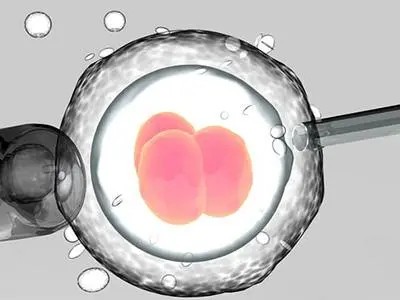
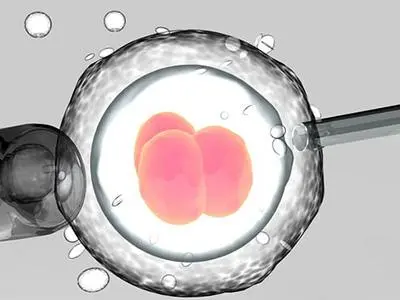
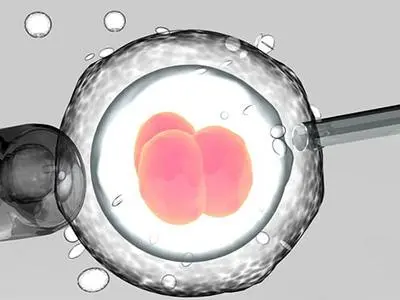
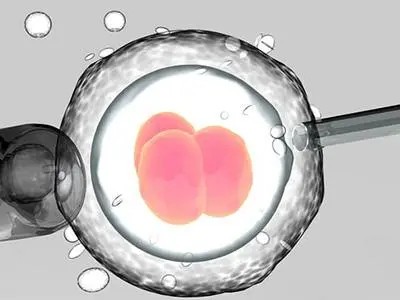
Before a semen analysis, a two to five day abstinence period is usually recommended for a representative sample. Results should be interpreted alongside the female partner’s workup, because fertility is a couple’s outcome, not an individual score. If a male factor is found, the next step might be a urology referral, hormonal treatment, or a discussion about ICSI during IVF, where a single healthy sperm is injected directly into the egg. None of these are dead ends; they are simply the right tool for the finding.
The role of ICSI when counts are low
When sperm count or motility is reduced, conventional insemination may not achieve fertilization, and intracytoplasmic sperm injection becomes the standard. The National Institutes of Health describes ICSI as a technique where a single sperm is injected directly into an egg, dramatically improving fertilization odds even with very few healthy sperm. For couples heading into IVF, knowing whether ICSI will be used shapes both the protocol and the conversation about sperm retrieval, and it is a routine, well-established tool rather than a last resort reserved for dire cases.
When to see a reproductive urologist
If a semen analysis shows severely low count or no sperm in the ejaculate, a reproductive urologist can identify correctable causes, from a varicocele to a blockage, or arrange surgical retrieval. Mayo Clinic’s guidance notes that male factor is addressable in many cases, and a urology consult before starting an expensive IVF cycle can change the entire approach. Treating the male side is not optional homework; it is often the shortest route to a working plan that actually fits the biology.
How DNA fragmentation changes the plan
When standard analysis looks normal but pregnancies fail to establish or are lost early, DNA fragmentation testing often explains why. Elevated fragmentation can be reduced in some cases by addressing varicocele, oxidative stress, or timing of sample collection, and techniques like testicular sperm extraction may yield healthier sperm than the ejaculate. For couples with unexplained repeated loss, this test converts a mystery into a manageable variable, and that conversion alone can save a family from another silent failure.
Building a complete male workup before treatment
The efficient move is to complete the male side early: a semen analysis, a hormonal panel if counts are low, carrier screening for both partners, and fragmentation testing if there is a history of loss. Doing this before a retrieval or surrogate cycle means the IVF plan is set correctly the first time, rather than discovered mid-journey when calendar and cost penalties are highest. Fertility is a couple’s outcome, and a complete male workup is simply the other half of the truth.
Why early male testing is standard of care
Modern fertility guidelines treat the male evaluation as a first-step, not a last resort, because it is cheap and frequently informative. The American College of Obstetricians and Gynecologists includes semen analysis among the initial workup for couples trying to conceive, reflecting a shift away from the old habit of testing only the female partner for years. For intended parents planning IVF or surrogacy, adopting this standard means the male side is settled before money is spent on ovarian stimulation or a surrogate cycle, which is both more efficient and less emotionally draining than discovering a correctable issue halfway through.
Cost and insurance for male testing
A practical concern is what male testing costs and whether it is covered. A basic semen analysis is typically among the least expensive fertility tests, often a fraction of the cost of any female-side procedure, and many plans cover it as part of an infertility evaluation, though coverage varies widely and some require a formal infertility diagnosis first. Hormonal panels and DNA fragmentation testing may be billed separately and are less consistently covered. The financial argument for doing the male workup early is strong regardless: spending a small amount up front to avoid a misdirected, far more expensive female or surrogate cycle is one of the best-return decisions in the entire journey.
Keeping records of your results
A small but often overlooked step is keeping your own organized copy of every test result, because you may change clinics, cross borders for treatment, or return to the same data months later when memory has faded. A simple folder with the semen analysis, hormone panel, and any fragmentation report, each dated, lets any new clinician pick up the thread without repeating tests. For international or cross-clinic surrogacy journeys especially, portable records prevent redundant costs and ensure the sperm picture informing embryo creation is the complete, current one rather than a partial recollection.
Frequently Asked Questions
Is male testing painful or expensive? A semen analysis is a simple sample provide; hormonal bloodwork is a routine draw. Together they are among the lowest-cost, highest-yield tests in all of fertility medicine.
Can I still be a genetic father with low sperm count? Often yes. Even very low counts can yield sperm for ICSI, and surgical retrieval can find sperm directly from the testes when ejaculated samples are poor.
Does age affect male fertility like it affects women? Male fertility declines more gradually and later, but advanced paternal age is associated with small increases in certain risks. It is real but far less abrupt than the female age effect.
Should testing happen before matching a surrogate? Yes. Knowing the sperm picture upfront lets the IVF plan, and the embryo creation strategy, be set correctly before a surrogate’s cycle is committed, avoiding wasted calendar and cost.
Taking the male half seriously is one of the simplest ways to make the entire journey more efficient. When both partners are fully evaluated, the plan that follows is built on the whole truth rather than half of it.