Preparing for Embryo Transfer: The Weeks That Decide the Cycle
Preparing for Embryo Transfer: The Weeks That Decide the Cycle
Written from how transfer cycles are actually prepared and from the points where they most often stall. Protocols are set by individual clinics and vary by patient; anything here should be understood as general background rather than as instruction for a specific cycle.
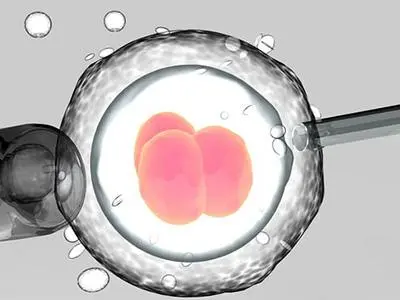
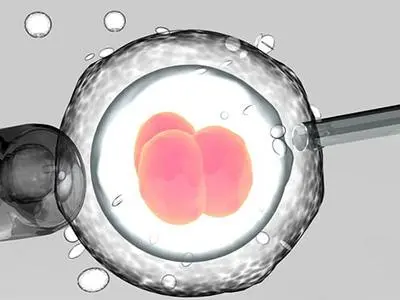
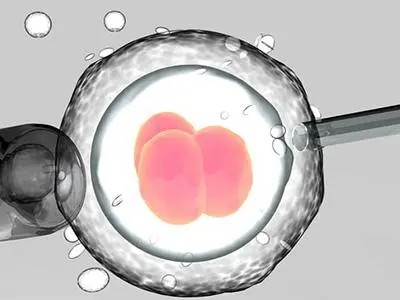
The embryo transfer itself takes about fifteen minutes. Everything that determines whether it works happens in the weeks beforehand, and most of what intended parents can influence is in that preparation rather than on the day.
Understanding the sequence helps for a practical reason: transfers get cancelled. The most common causes are in the preparation phase, and several are detectable in advance if someone is looking for them.
The Cycle Before the Transfer
A frozen embryo transfer, which is what most surrogacy cycles use, is prepared separately from the cycle that created the embryos. That separation is deliberate: it allows the endometrium to be prepared without the hormonal disturbance of stimulation.
Before preparation begins, the clinic will usually confirm that the embryos exist and are of transferable quality, that the carrier’s screening is current, and that the legal documentation is complete. The last of these is worth noting: a transfer can be ready clinically and blocked administratively.
Screening has validity windows. Infectious disease results are typically valid for a defined period, commonly several months, and a result that expires mid-preparation can delay the cycle by weeks. Checking expiry dates before starting is a small task that prevents a common one.
Preparing the Endometrium
The objective is a receptive lining of adequate thickness and appropriate appearance at the moment of transfer. Protocols differ, but the principle is to replicate the hormonal environment of a natural cycle in a controlled way.
A natural or modified natural cycle tracks the carrier’s own ovulation and is used where she ovulates regularly. A programmed or medicated cycle suppresses the natural cycle and replaces it with administered oestrogen and progesterone, giving the clinic control over the timing. Patient-facing explanations of both approaches are published by Mayo Clinic.
The choice between them is clinical and depends on the carrier’s cycle regularity and the clinic’s practice. Intended parents sometimes have a preference based on what they have read; the decision is better left to the clinician, who can see the monitoring data.
Medication and What It Involves
In a programmed cycle, oestrogen is given first to build the lining, usually by patch or orally, over roughly two weeks. Progesterone is then added, and the transfer is timed to the duration of progesterone exposure.
Progesterone is the more demanding of the two. It is commonly given by injection, by vaginal preparation, or by a combination, and it continues well into the pregnancy. Side effects are real and mostly manageable, and carriers who know what to expect report them as less troubling.
Adherence is the variable that matters most. Progesterone timing is not flexible in the way that a daily vitamin is, and a missed dose is worth calling the clinic about rather than correcting silently.

Synchronisation Where a Fresh Donor Cycle Is Used
Where donor eggs are used fresh rather than from a frozen bank, the donor’s cycle and the carrier’s cycle have to be synchronised so that the embryos are transferred at the right point in the carrier’s preparation.
This introduces a dependency that frozen cycles do not have. If the donor responds poorly, or the carrier’s lining is not ready on the required date, the cycle can be cancelled after weeks of preparation and significant cost.
Many programmes now prefer frozen donor eggs or frozen embryos for precisely this reason. The flexibility usually outweighs any difference in outcome, and it removes a coordination failure mode entirely.
Monitoring and the Cancellation Decision
During preparation the carrier attends for ultrasound and sometimes blood tests, typically two to four times. The clinic is assessing lining thickness, pattern, and progesterone levels, and looking for anything that would make transfer inadvisable.
Cancellation is most often due to a lining that is too thin, an unexpected ovulation in a programmed cycle, a cyst producing interfering hormones, or a progesterone level that does not support transfer. All are disappointing and all are protective.
A cancelled cycle is not a failed cycle in the sense that matters. The embryo remains available, and the next attempt starts from better information. Treating cancellation as information rather than loss is the framing that most carriers find survivable.
The Week Before
Practical preparation is unglamorous and worth doing. Travel arrangements confirmed, accommodation near the clinic, and a clear plan for who accompanies the carrier on the day. Some clinics require an escort, and all prefer one.
Medication supply should be checked, including enough progesterone to cover the period after transfer without a scramble. A prescription delayed over a weekend is an avoidable stress at the wrong moment.
Carriers are usually advised to continue normal activity rather than rest. The evidence does not support bed rest after transfer, and clinics increasingly say so explicitly. What is worth avoiding is anything genuinely strenuous.
The Day Itself
The transfer is a short outpatient procedure, usually performed without anaesthesia, using ultrasound guidance and a thin catheter. Discomfort is typically mild, and most carriers describe it as comparable to a cervical smear.
A full bladder is often requested because it improves the ultrasound view and can make catheter placement easier. Carriers who arrive prepared for that detail find the procedure more comfortable than those who do not.
Embryo number is decided in advance, and single embryo transfer is standard in most programmes now. The conversation about how many to transfer should have happened earlier rather than in the moments before the procedure. Outcome data for assisted reproduction is collected and published by bodies including the Centers for Disease Control and Prevention.
After the Transfer
Progesterone continues, and activity restrictions are usually minimal. The wait to testing is commonly nine to fourteen days, and it is widely described as the hardest part of the entire process for both the carrier and the intended parents.
Testing should be done on the clinic’s schedule. Home testing earlier than advised produces results that are difficult to interpret and that rarely reduce the anxiety they are meant to address.
A negative result is common and is not a verdict on the arrangement. Programmes generally expect more than one transfer, and the budget and the emotional preparation should both assume that. Background on the clinical steps is summarised in patient material from organisations including the American College of Obstetricians and Gynecologists.
Screening Validity and Administrative Delays
Infectious disease screening has a defined validity window, commonly between three and twelve months depending on the test and the jurisdiction. A result obtained at the start of a long legal process may expire before the clinical cycle begins.
Checking the dates on every screening result before starting medication is a ten-minute task that prevents a delay of weeks. Where a result is close to expiry, clinics often prefer to repeat it in advance rather than risk interruption mid-cycle.
Nutrition, Activity and the Questions Everyone Asks
Carriers ask about diet, caffeine, exercise and whether they can work, and the answers are usually more permissive than expected. Standard advice is a normal balanced diet, moderate caffeine, and continuation of ordinary activity.
The restrictions that do apply are the familiar pregnancy ones: no alcohol, no smoking, and caution with unpasteurised foods and high-mercury fish. Clinics vary on detail, and asking for the clinic’s own written list avoids the confusion of conflicting internet advice.
When a Cycle Becomes a Second Attempt
A first transfer not resulting in pregnancy is common enough that programmes plan for it. The useful work afterwards is a review: lining response, progesterone levels, embryo quality, and whether anything in the protocol should change.
Carriers often take the outcome personally, and the intended parents often feel the same in a different way. Naming that in advance, and agreeing who will communicate with whom during the wait, makes the interval considerably easier than it otherwise is.
What the Monitoring Appointments Actually Check
Each scan during preparation answers a narrow set of questions. Lining thickness is measured, and most clinics look for a threshold before proceeding, though the number varies between programmes and is not the only factor considered.
Lining pattern, meaning its appearance on ultrasound, is assessed alongside thickness, as are the ovaries, to confirm that no unexpected follicle has developed in a programmed cycle. Blood tests, where used, generally measure oestradiol and later progesterone to confirm that the medication is producing the intended levels.
Frequently Asked Questions
How long does preparation take before transfer?
Typically three to six weeks from starting medication to transfer, plus the screening and administrative steps beforehand. A frozen embryo cycle is shorter than one involving a fresh donor synchronisation.
Does bed rest after transfer help?
Current evidence does not support it, and most clinics advise normal activity. Prolonged rest is associated with other problems and does not improve implantation rates.
Can the cycle be cancelled at the last minute?
Yes. Lining thickness, unexpected ovulation, cysts and progesterone levels are the common reasons. Cancellation is protective: transferring into an unreceptive lining wastes an embryo and a cycle.
How many embryos are transferred?
Single embryo transfer is standard in most programmes, given the risks of multiple pregnancy. The decision should be made well before the procedure, with the clinic’s data on outcomes.
When can we test for pregnancy?
Usually nine to fourteen days after transfer, on the clinic’s schedule. Testing earlier risks a misleading result, including a false positive from medication still in the system.