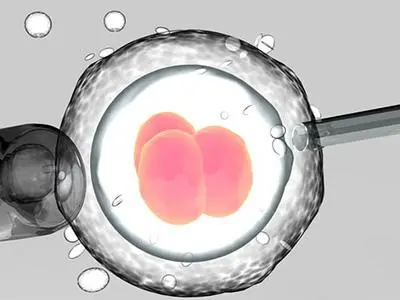
Overseas IVF for Chinese Parents: A Compliant Guide to Going Abroad in 2026
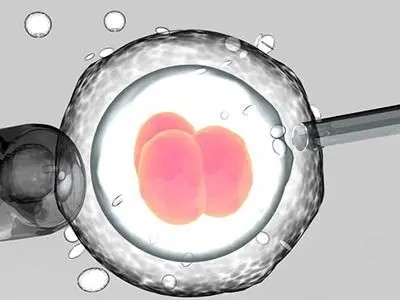
Overseas IVF for Chinese Parents: A Compliant Guide to Going Abroad in 2026
Written for Chinese nationals and residents researching treatment outside mainland China. Scope note: this guide covers legally permitted outbound IVF and egg freezing only. Surrogacy is excluded deliberately — it is restricted under mainland law, and this guide does not advise or facilitate it. Confirm all legal points with qualified counsel in both jurisdictions.
Families in mainland China who need assisted reproduction increasingly look abroad, and the reasons are practical rather than evasive: shorter waiting times for certain treatments, access to donor programs where permitted, egg freezing where it is restricted at home, and clinics with specific expertise. Going abroad is lawful when the treatment itself is lawful where it is performed and is brought home through the correct documentation. The work is in doing it properly.
Why Families Go Abroad
The motivations are specific. Some need donor eggs or sperm through a structured, screened program that is hard to access domestically. Some want to freeze eggs before a medical treatment or a life decision, where local access is limited. Some simply want a clinic with a particular specialty or a shorter path to treatment. None of these requires crossing a legal line; they require choosing a destination where the treatment is legal and documented.
Where People Go
Common destinations include the United States, Thailand, Malaysia, and parts of Europe such as Greece, each with different strengths. The U.S. offers high standards and broad treatment options at higher cost. Thailand and Malaysia serve regional demand with established clinics. European destinations may offer lower cost and clear legal frameworks for certain treatments. The right choice depends on the specific treatment, the budget, and how each country’s rules fit your situation.

How to Vet a Clinic Abroad
The same criteria apply as anywhere, with extra weight on transparency across language and distance. Confirm the clinic’s accreditation, its age-specific success data, what the quoted package includes, and whether it provides documentation in a form your embassy and home institutions will accept. A clinic reluctant to put outcomes and inclusions in writing is a clinic to avoid regardless of location. Professional clinical guidance is available from the American College of Obstetricians and Gynecologists, and international care standards are summarized by the World Health Organization.
Documents You Will Need
Cross-border treatment generates paperwork that must survive scrutiny at home. Medical records of the treatment, proof of the legal basis for any donor involvement, and clarity on how parentage or birth will be recorded abroad all matter for what happens next. Gather and translate these deliberately, because the return process is where missing documents cause the longest delays.
Cost and What to Budget
The clinic fee is only part of the picture. Travel for two people, accommodation for the treatment window, medications that may not be included, and the possibility of an extended stay all add up. Compare complete journeys, not clinic quotes, and build in the contingency that cross-border care tends to require. A lower headline price that omits medications and stay is not cheaper in practice.
Returning Home With a Child
The return is governed by Chinese nationality law and consular procedure, not by the birth country’s records alone. Where at least one parent is a Chinese citizen, the child’s nationality and travel document follow specific rules that depend on the facts of the birth and the documentation. Resolve this with the relevant authorities before treatment rather than after, because the birth country’s certificate is only one input to the decision at home.
Timeline and Patience
An outbound cycle follows the same medical shape as a domestic one, plus the logistics of travel, translation, and documentation. Plan the active treatment window and then a separate allowance for the administrative steps that follow. Families who treat the paperwork as part of the timeline, not an afterthought, avoid the months-long stalls that catch the unprepared.
Red Flags to Avoid
Be wary of any provider that promises outcomes by age, bundles surrogacy into an “IVF” package, or discourages independent legal review. Cross-border arrangements concentrate risk where accountability is hardest, so the standard of evidence you demand should rise, not fall. Stay strictly within treatments lawful in the destination and bring them home through correct process.
Preparing Your Medical Records
Before traveling, gather prior fertility evaluations, any hormone and imaging results, and records of previous treatment, then have them translated into the language of the destination and into English where useful. Clinics abroad will want to avoid repeating tests you have already had, and incomplete records lead to repeated cost and delay. Keep digital copies of every page, because originals are occasionally lost in transit and duplicates are slow to obtain from home. The record package is the first thing a serious clinic will ask for, and arriving with it shortens the startup by weeks rather than days. Treat the records as part of the treatment, not paperwork surrounding it.
A Step-by-Step Pre-Departure Plan
Begin with a medical and legal review at home, then shortlist destinations whose rules fit your case and whose clinics will provide documentation your authorities accept. Retain counsel in the destination, confirm the return process with the relevant Chinese authorities before treatment, and budget the full journey including travel, stay, and translation. Book the treatment window and then a separate allowance for the administrative steps that follow the cycle. Families who treat the paperwork as part of the timeline, not an afterthought, avoid the stalls that catch the unprepared. Stay strictly within lawful treatment and bring it home through correct process, because a shortcut that crosses a legal line is the one mistake that cannot be undone later.
Communication Across Distance
Treating abroad adds distance in every sense, and the clinics that serve international patients well are the ones who close it deliberately: clear written communication, a coordinator who answers in your language, and documentation you can read without guessing. Before you commit, test this. A clinic whose communication is vague or slow before you have paid will not improve once you have. The administrative steps after treatment depend on information flowing clearly, and a clinic that cannot provide it beforehand will cost you later in delays you cannot easily fix from home, where you no longer have the leverage of being an undecided prospective patient.
What to Bring and What to Leave
Bring complete translated records, a written plan for the return, and the contact details of counsel in both places. Leave behind any expectation that the foreign birth record alone settles the matter at home, because it does not. Pack patience for a process that will take longer than the medical part suggests, and a budget that includes the steps after the cycle. The families who return smoothly are those who arrived treating the entire arc — treatment, documentation, return — as one journey with one plan, rather than a medical trip with paperwork hoped to follow after the fact.
Keeping the Return on Track
The treatment is the beginning of the cross-border arc, not the end. After the cycle, the documentation, the translation, and the engagement with the relevant Chinese authorities are what turn a medical event abroad into a child who can come home. Begin this while still abroad, while the clinic and its records are accessible, rather than discovering a missing paper after you have landed and the leverage of being on-site is gone. Keep a complete, translated record of the treatment and the legal basis for any donor involvement, and confirm with the authorities at home what they will require before you travel, not after. The families who return without trouble are those who treated the return as the final, decisive stage of the same plan — lawful treatment brought home through correct process — rather than a formality to handle once back, when fixing it is slower and harder.
Frequently Asked Questions
Is it legal for Chinese citizens to do IVF abroad?
Undergoing lawfully permitted IVF in a country where it is legal is not, in itself, unlawful. The critical point is that the treatment must be lawful where performed and documented correctly for return. This guide covers IVF and egg freezing only; surrogacy is excluded because it is restricted under mainland law.
Which destination is best?
It depends on your treatment, budget, and how each country’s rules fit your case. The U.S. offers breadth at higher cost; regional clinics offer access at lower cost. Vet clinics on accreditation and documented outcomes rather than location alone.
How do we bring a child home?
Nationality and travel documents follow Chinese law based on the birth facts and documentation. Confirm the requirements with the relevant authorities before treatment, because the foreign birth record is only one input.
Does insurance cover treatment abroad?
Usually not for the overseas portion. Confirm what any domestic policy may reimburse and budget the rest explicitly, including travel and stay.
What should we not do?
Do not pursue treatments that are unlawful in the destination, do not accept packages that quietly include surrogacy, and do not skip independent legal review. Stay within lawful, documented treatment and bring it home through the correct process.