ICSI vs Conventional IVF: Understanding Fertilization Choices in 2026
ICSI vs Conventional IVF: Understanding Fertilization Choices in 2026
During an IVF cycle, creating embryos requires sperm and egg to meet in the laboratory, and there are two ways that meeting can happen. In conventional IVF, eggs and sperm are placed together and fertilization occurs naturally. In ICSI, short for intracytoplasmic sperm injection, a single sperm is injected directly into each egg. The choice between them influences cost, who is a candidate, and how certain male-factor issues are handled. This guide explains both, and helps you understand which is right for your situation.
What conventional IVF fertilization looks like
In standard IVF, after eggs are retrieved they are placed in a dish with a prepared sperm sample and left to fertilize on their own. This mimics the natural selection process where the healthiest sperm reach and enter the egg. It works well when sperm counts, movement, and shape are within a normal range, and it remains the default for many cycles. The laboratory monitors fertilization the next morning to see how many eggs became embryos.
What ICSI is
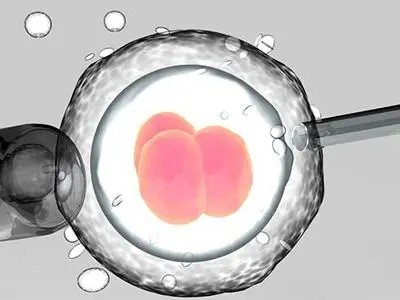
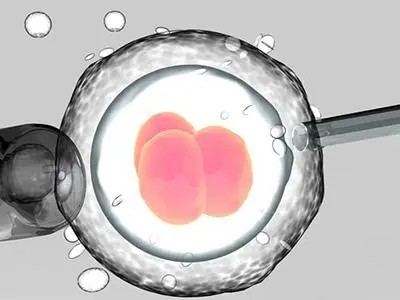
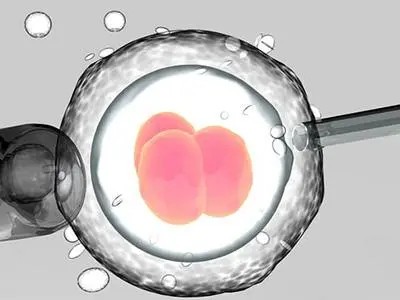
ICSI is a micromanipulation performed under a high-powered microscope. An embryologist selects one sperm and uses a tiny needle to inject it directly into the center of an egg. Because the sperm does not have to swim, penetrate layers, or compete, ICSI overcomes most barriers posed by low sperm count, poor movement, or abnormal shape. It is a precise procedure that has been used for decades and is now commonplace in many clinics worldwide.
Who actually needs ICSI
ICSI is clearly indicated for moderate to severe male-factor infertility, for sperm retrieved surgically from the testes, and for cycles using previously frozen sperm with limited numbers. It is also used when conventional fertilization failed in a prior cycle, or when only a few eggs are available and maximizing fertilization matters. For couples with normal sperm parameters, the added benefit of ICSI is smaller, which is why guidelines caution against using it routinely without a reason.
Success and pregnancy rates
In experienced labs, ICSI and conventional IVF produce similar pregnancy and live-birth rates when ICSI is used for the right indications. The main advantage of ICSI is a higher fertilization rate in male-factor cases, not a higher pregnancy rate per embryo across the board. Choosing ICSI when it is not needed does not typically improve outcomes, which is why the decision should follow the semen analysis and the clinic’s fertilization history rather than being automatic.
Risks and costs to weigh
ICSI adds a laboratory fee and requires skilled embryology, so it costs more than conventional insemination. There is a very small increase in certain rare risks, including potential impact on sex chromosome patterns in offspring, though absolute rates remain low and most ICSI children are born healthy. Conventional IVF avoids the needle entirely but risks low or failed fertilization when sperm is borderline. The trade-off is best discussed with your embryology team using your specific numbers.
The male-factor deep dive
Male-factor infertility accounts for roughly a third of couple infertility, and it is often the quiet contributor. A semen analysis measuring count, motility, and morphology guides whether ICSI is warranted. When counts are extremely low or zero in ejaculate, surgical sperm retrieval combined with ICSI makes biological fatherhood possible even in cases once considered untreatable. This is one of the clearest situations where ICSI changes the entire outlook rather than merely optimizing it.
When clinics recommend it without male factors
Some clinics use ICSI broadly, including for unexplained infertility or advanced maternal age, on the theory that it maximizes fertilization. The evidence for this routine use is mixed, and major professional bodies recommend limiting ICSI to indicated cases to avoid unnecessary cost and any small risks. If your clinic proposes ICSI routinely, it is reasonable to ask whether your sperm parameters justify it or whether conventional insemination is appropriate.

Does ICSI increase birth defect risk
Large studies show that children conceived with ICSI have a slightly higher rate of certain congenital conditions than those conceived naturally, but much of this is attributed to the underlying infertility rather than the procedure itself. Absolute risks remain low, and most ICSI pregnancies result in healthy babies. Preimplantation genetic testing can offer additional reassurance in selected cases, though it is not required for most ICSI cycles and should be discussed individually.
ICSI and what happens to the embryo
A common worry is whether injecting sperm changes embryo development or future health. In practice, once fertilization occurs, ICSI and conventionally fertilized embryos develop along the same paths in the lab, and embryologists grade them by the same criteria. The injection solves the meeting problem; it does not alter how the resulting embryo grows day to day. Any small differences in outcomes trace back to the underlying infertility or to lab technique, not to the act of injection itself, which is why the procedure is considered routine in experienced hands rather than experimental.
The cost difference in real terms
ICSI adds a laboratory fee on top of the base IVF cycle, the size of which varies by clinic but is usually a modest percentage of the total rather than a doubling. For male-factor cases it is not optional spending but the step that makes fertilization possible, so the comparison is not ICSI-versus-nothing but ICSI-versus-no embryos. When sperm parameters are normal, however, paying for ICSI may buy little, which is why guidelines caution against routine use. Asking for the ICSI line item separately on your quote lets you see exactly what you are paying for and why.
ICSI when using donor eggs
With donor eggs, the question of ICSI depends on the sperm, not the egg source. If the male partner or sperm donor has normal parameters, conventional insemination often suffices, though some donor programs default to ICSI to maximize fertilization of precious donor eggs. When only a few donor eggs are available, clinics may favor ICSI to avoid wasting a single egg on failed natural fertilization. This is a reasonable use of the technique driven by egg scarcity rather than by sperm deficiency, and it is worth understanding if your cycle involves donated gametes.
Questions worth asking your embryologist
The embryology lab is where ICSI happens, and asking a few direct questions demystifies it. Ask how many ICSI cycles the lab performs each year, what their fertilization rate is, and who performs the injection. Ask whether they assess sperm DNA fragmentation, which can influence the recommendation, and how they decide between ICSI and conventional insemination for your case. A lab that answers these openly is one you can trust; one that treats the question as unusual may not be where you want such a precise procedure performed.
ICSI and sperm retrieval when counts are zero
For men with no sperm in the ejaculate, ICSI becomes possible only after sperm is retrieved directly from the testis or epididymis through a minor surgical procedure. This combination transformed the outlook for severe male-factor infertility, turning what was once untreatable into a routine path to biological fatherhood. The retrieved sperm may be few, which is exactly why ICSI, injecting a single cell, is essential. Outcomes depend on the cause and the quality of both sperm and eggs, but the mere absence of sperm in semen is no longer the end of the conversation it once was.
Myths worth setting aside
Several myths surround ICSI. One is that it creates “test-tube babies” who are less healthy; large cohorts show most ICSI children are born healthy, with small differences largely explained by underlying infertility. Another is that ICSI guarantees fertilization; it greatly improves the chance but does not make it certain, because egg and sperm quality still matter. A third is that it should be used for everyone to be safe; guidelines reserve it for indicated cases because routine use adds cost and minimal benefit when sperm is normal. Setting these aside helps you hear the actual recommendation.
The future of male fertility care
Male-factor infertility, long the quieter half of the equation, is gaining better tools. More precise sperm selection, improved retrieval techniques for zero-count cases, and growing understanding of sperm DNA quality are refining when and how ICSI is used. For couples, this means fewer assumptions and more tailored plans based on actual sperm biology rather than a single count. As testing improves, the decision between ICSI and conventional insemination becomes sharper, and more men who once had limited options now have a clear, evidence-based path, which is one of the quiet advances reshaping modern IVF.
Sources and further reading
This guide draws on professional guidance from ASRMMayo ClinicPubMed and related clinical bodies. Always confirm treatment details with a qualified fertility specialist.
Frequently Asked Questions
Is ICSI more successful than IVF? Not generally per pregnancy; its main benefit is higher fertilization when sperm factors are present, so success depends on using it for the right reason.
Will my baby be biologically mine with ICSI? Yes. ICSI uses the father’s or donor’s sperm and the mother’s or donor’s egg; it changes how fertilization happens, not whose genes are involved.
Can ICSI be used with donor sperm? It can be, though with healthy donor sperm conventional insemination is often sufficient; the clinic chooses based on the specific case.
Does ICSI damage the egg? Eggs are resilient to the injection in skilled hands, and fertilization rates with ICSI are high, though a small fraction of eggs may not survive the procedure.
ICSI and conventional IVF are not competitors so much as tools for different problems. The right choice follows your semen analysis, prior cycle history, and egg yield, and a clinic that explains the why behind the method is one you can trust with the rest of the process.