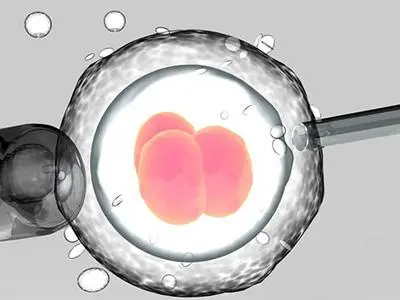
Fertility Medical Tourism: A Practical Guide for Cross-Border IVF in 2026
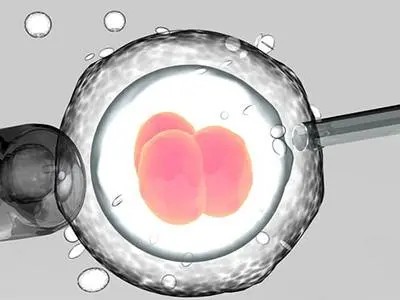
Fertility Medical Tourism: A Practical Guide for Cross-Border IVF in 2026
Fertility medical tourism, the practice of traveling to another country for IVF or related treatment, has grown from a niche option into a mainstream path for thousands of families each year. The drivers are familiar: lower costs, shorter waiting times, access to donor programs, or legal frameworks that better fit a patient’s family shape. If you are considering crossing a border for treatment, this guide lays out what the model involves, where people go, and how to do it safely rather than cheaply.
What fertility medical tourism is
At its core, fertility medical tourism means receiving assisted reproduction care outside your home country, usually coordinated as a package that may include consultation, stimulation, retrieval, transfer, accommodations, and local transport. Some patients travel once for a retrieval and ship embryos home; others complete the entire cycle abroad. The defining feature is that treatment, logistics, and often legal considerations are handled across jurisdictions, which is both the appeal and the complication.
Why patients travel for IVF
The most common reason is cost. A single IVF cycle in some high-income countries can cost several times more than an equivalent cycle in a well-regulated destination, even after travel expenses. The second reason is access: donor egg programs, gestational carrier programs, and certain legal permissions vary widely by country, and patients whose home jurisdiction restricts their path often find a workable one abroad. A third reason is speed; waiting lists at home can be long, while reputable clinics abroad can start promptly.
Popular destinations and why they attract patients
Several regions have built strong reputations. Parts of Southern and Eastern Europe combine EU-standard care with lower prices and liberal laws. Parts of Asia offer advanced technology and English-speaking staff at competitive rates. Latin American clinics draw North American patients with proximity and established donor programs. The right destination depends less on a ranking and more on which legal framework, language, and price point fit your specific family plan, so research should start from your needs, not a list.
What you can realistically save
Savings vary widely, but many patients report total costs, including travel, that are thirty to sixty percent below home-country pricing for comparable care. The biggest savings come on medication and laboratory fees rather than travel itself. Realistic budgeting means requesting an all-in quote that separates medical fees from travel and lodging, because a low headline cycle price can hide add-ons that erase the difference once you land.
Legal and ethical checks that matter
Cross-border treatment sits at the intersection of two legal systems, and what is permitted in the destination may not be recognized at home, especially around parentage and the use of donors or carriers. Before committing, confirm how a child conceived abroad will be recognized in your home country, what paperwork is needed, and whether the clinic follows internationally accepted donation and consent standards. Reputable destinations publish their frameworks, and ambiguity here is a red flag rather than a detail.
How to vet a clinic abroad
Start with accreditation and published success rates reported in a transparent, age-banded format rather than a single glossy number. Read independent patient reviews, ask for a video consultation, and request the names and credentials of the treating physicians. A trustworthy clinic answers hard questions about complication rates and embryo handling without deflecting. If a clinic cannot or will not share age-specific outcomes, that silence tells you what you need to know.
Logistics: trips, stays, and timelines
A full IVF cycle abroad typically means a stay of two to three weeks for stimulation and retrieval, with a return trip for transfer if embryos are frozen and shipped or if you stage the cycle. Some patients do back-to-back travel; others coordinate remotely with local monitoring at home for the stimulation phase, then fly for the procedures. Planning around airline rules for medication and time-zone effects on injection schedules prevents avoidable stress during an already intense period.

Risks and how to reduce them
The main risks are quality variability, communication gaps, and legal uncertainty back home. You reduce these by choosing accredited clinics, using a coordinator who bridges language and logistics, keeping all medical records, and consulting a home-country lawyer before travel for parentage and documentation. Travel itself adds fatigue and mild risk during stimulation, so build in rest and flexibility rather than a tight tourist itinerary alongside treatment.
Donor and gestational carrier programs across borders
One reason families cross borders is access to donor egg, donor sperm, and gestational carrier programs that may be restricted, slower, or differently regulated at home. Destinations vary widely in how these programs are structured, screened, and legally recognized, so the same family plan that is difficult at home may be straightforward abroad, or vice versa depending on your nationality. The key is matching the destination’s legal framework to your specific family shape and confirming that parentage established there will be recognized when you return, because a successful pregnancy that creates a paperwork problem is not the win it appears to be.
Language, culture, and communication
Even in clinics with English-speaking coordinators, day-to-day communication during a stressful medical process can fray across language and culture. Misunderstandings about medication timing or appointment changes carry real consequences during stimulation. Choosing a clinic with a dedicated coordinator for international patients, confirmed references from travelers who share your language, and written instructions you can review calmly reduces error and anxiety. The smoothest medical tourism experiences are almost always the ones where communication was treated as a core service, not an afterthought.
Follow-up care after you return home
Treatment does not end at the airport. If you transfer abroad and return for the pregnancy, you will need a home clinician to take over monitoring, and not every provider is comfortable inheriting a cross-border cycle. Arrange this before you travel: confirm a local ob-gyn or fertility doctor will accept the handoff, obtain complete records and embryo or medication details, and clarify who manages complications if they arise while you are between systems. Planning the return-care bridge is as important as planning the trip itself.
A practical pre-travel checklist
Before booking, confirm clinic accreditation and age-banded success rates, request a written all-in quote, verify legal recognition of parentage at home, secure a local follow-up clinician, and map medication transport rules for your airlines. Add travel insurance that covers medical complications, not just trip cancellation, and build a buffer of time and money for cycles that run longer than planned. Patients who complete this checklist report far fewer surprises, because most medical tourism problems are foreseeable and preventable with documentation done in advance rather than in crisis.
Reading regulatory bodies and accreditation
Reputable fertility clinics abroad are typically accredited by national health authorities or international bodies, and many publish outcome data in standardized formats. Learning to read these is a skill worth acquiring before you choose. Look for age-banded live-birth rates rather than a single pregnancy percentage, confirm the lab meets recognized embryology standards, and check whether the country’s framework is transparent about donor and carrier practices. A clinic proud of its accreditation makes this easy to find; one that buries or avoids it is telling you something important without saying a word.
Balancing cost, quality, and distance
The ideal destination is rarely the cheapest or the closest, but the one that best balances price, proven quality, and practical travel. A slightly farther clinic with stronger outcomes may cost less per live birth than a nearby bargain that needs repeats. Distance also affects how many trips you make and how supported you feel during stimulation. Mapping these three factors explicitly, rather than optimizing any single one, usually reveals a destination that fits your family and your budget without forcing a painful compromise on safety or success.
Timing, season, and recovery
Practical timing shapes the medical tourism experience more than patients expect. Scheduling stimulation and retrieval around work commitments, climate comfort, and recovery time prevents the trip from colliding with exhaustion at a delicate moment. Some avoid extreme summer heat or winter travel disruption; others plan around school holidays to include family support. The medical cycle sets the core dates, but building buffer days around retrieval and transfer, when bloating and cramping are most likely, lets you rest rather than rush, which supports both wellbeing and the focused, low-stress state that treatment is easier in.
Sources and further reading
This guide draws on professional guidance from CDC travelers’ healthWHOMayo Clinic and related clinical bodies. Always confirm treatment details with a qualified fertility specialist.
Frequently Asked Questions
Is IVF abroad safe? It can be as safe as treatment at home when the clinic is accredited and transparent about outcomes; the risk lies in unvetted providers, not in the border itself.
Will my home country recognize a baby conceived abroad? It depends on local law around parentage and citizenship; this must be confirmed with a qualified lawyer before you travel, not after.
Can I do monitoring at home and the procedure abroad? Often yes. Many clinics coordinate with local labs for early monitoring, then have you fly in for retrieval and transfer.
How far ahead should I plan? Most patients book two to three months out to align calendars, paperwork, and any home-country consultations, though some clinics accommodate faster.
Fertility medical tourism rewards preparation. The families who do best treat it as a planned medical journey with legal homework attached, not as a vacation with a procedure bolted on, and that mindset is the single biggest predictor of a smooth experience.