PCOS and Fertility: What Every Woman Should Know Before Trying to Conceive
PCOS and Fertility: What Every Woman Should Know Before Trying to Conceive
Polycystic ovary syndrome is one of the most common hormonal conditions affecting women of reproductive age, and it is also one of the most misunderstood when it comes to getting pregnant. If you have been told you have PCOS and you are thinking about building a family, the headline is reassuring: most women with PCOS can conceive, but the path often needs a little more planning than average. This guide explains why PCOS affects fertility, what treatments to try first, and when a bigger tool like IVF makes sense.
What PCOS is and why it matters
PCOS is a syndrome, not a single disease, built around three features: irregular or absent ovulation, signs of excess androgen, and polycystic-appearing ovaries on ultrasound. It is driven largely by insulin resistance and the hormonal ripple effects that follow. The reason it matters for fertility is simple: if eggs are not released regularly, the window to conceive each month is unpredictable or closed, which is why many women with PCOS spend months trying without a clear cycle to target.
How PCOS disrupts ovulation
In a typical cycle, a follicle matures and releases an egg. In PCOS, the hormonal environment often stalls follicles partway, so they accumulate as small cysts and no single egg is released. This anovulation is the main fertility barrier. It does not mean eggs are absent or poor quality across the board; it means the timing mechanism is unreliable. Restoring that rhythm is usually the first goal of treatment, and it works for a large share of patients.
Can you get pregnant with PCOS?
Yes, and many women with PCOS conceive naturally once cycles are regulated. The key is confirming that ovulation is actually happening, which can be tracked with ovulation predictor kits, basal body temperature, or ultrasound. For those who do not ovulate on their own, medications that trigger a single egg to mature often restore fertility without needing advanced treatment. Weight, diet, and insulin control also shift the odds more than many people expect.
First-line treatments that work
The usual starting medication is letrozole, which encourages the ovary to release an egg and has become preferred over older options for PCOS because it leads to more live births and fewer multiples. Metformin, a medication that improves insulin sensitivity, is sometimes added, especially when there is prediabetes. These approaches are low-cost, oral, and effective for a meaningful majority of women, which is why they come before any injection-based or surgical treatment.
When IVF enters the picture
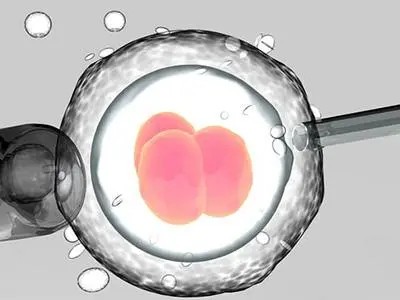
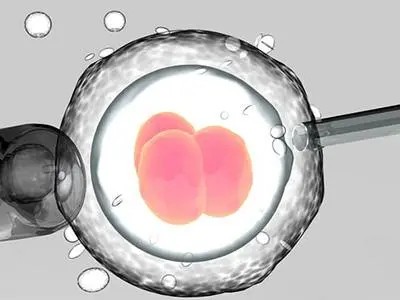
IVF is considered when ovulation induction fails after several months, when there are co-existing factors like blocked tubes or male-factor infertility, or when a woman is older and cannot afford to spend more time. In PCOS patients, IVF requires careful stimulation protocols because the ovaries can be sensitive and prone to hyperstimulation. With the right protocol, however, PCOS responders often yield a good number of eggs, and frozen embryo transfer is commonly used to reduce risk and improve outcomes.
Lifestyle, weight, and realistic expectations
Even a modest weight reduction of five to ten percent can restore ovulation in some women with insulin-resistant PCOS, which is why lifestyle is part of the medical plan rather than a separate suggestion. Regular activity and balanced meals that blunt insulin spikes support both natural and treated cycles. Expectations should be set around months, not weeks: the first treatment phase is often three to six months before a pregnancy is likely, and that timeline is normal rather than a sign something is wrong.
Tracking and getting a diagnosis
A proper diagnosis combines your cycle history, blood tests for hormones and glucose, and an ultrasound. If you suspect PCOS but have not been evaluated, that workup is the foundation for every treatment decision, because the right medication depends on whether ovulation is absent, irregular, or present but infrequent. Bringing cycle records to your appointment speeds this up considerably and helps your clinician tailor the plan.

Protecting your mental load
The unpredictability of PCOS cycles is emotionally taxing in a way that textbooks understate. Cycles that look promising and then do not, months that blur together, and the pressure of timed intercourse all add up. Building in support, whether a partner, a group, or counseling, is not a luxury here; it is part of sustaining a multi-month effort. Clinics increasingly screen for this because stress management genuinely improves adherence and outcomes.
Supplements and medications often discussed
Beyond prescribed ovulation agents, several supportive options come up in PCOS conversations. Inositol, a vitamin-like supplement, has modest evidence for improving ovulatory function and insulin sensitivity in some women. Vitamin D correction matters when levels are low, since deficiency is common in PCOS and links to metabolic and cycle irregularities. These are adjuncts, not replacements for medical treatment, and they work best as part of a plan reviewed by your clinician rather than as internet self-prescription. The goal is to support the body’s response to the medications that actually trigger ovulation, not to chase a single magic pill.
PCOS and the option of egg freezing
Some women with PCOS consider freezing eggs while cycles are still manageable, particularly if they anticipate delaying pregnancy. The trade-off is nuanced: PCOS ovaries often yield many eggs, but quality tracks with age like anyone else, and the syndrome itself does not freeze time. Freezing makes most sense as a hedge against future ovarian decline rather than a response to PCOS alone. A frank discussion with a fertility specialist about your ovarian reserve and timeline helps decide whether freezing is a smart bridge or an unnecessary expense at your stage.
PCOS after age 35
The reassurance that many women with PCOS conceive must be balanced against the universal decline in fertility after 35, which affects PCOS patients exactly as it does others. Because PCOS already introduces irregular ovulation, layering age-related egg-quality decline on top can lengthen the time to pregnancy more than either factor alone. This is why clinicians often shorten the trial of ovulation induction for older women with PCOS and move toward IVF sooner, preserving the window rather than spending it on methods less likely to succeed as time passes.
Finding a clinician who specializes
Not every ob-gyn manages PCOS fertility with the same depth, and outcomes improve when care is coordinated with a reproductive endocrinologist. A specialist will stage the workup efficiently, choose the right ovulation agent, and flag the moment IVF should enter the plan instead of letting months drift. When interviewing a clinic, ask how many PCOS patients they treat, what their letrozole protocol looks like, and how they decide to escalate. Answers that are specific and unhurried signal experience; vague answers suggest you may be one of many rather than a case they know well.
Tracking ovulation at home with PCOS
Because PCOS makes cycles irregular, home tracking becomes more valuable, not less. Ovulation predictor kits detect the surge that precedes release, basal body temperature confirms it after the fact, and cycle-tracking apps help spot patterns over months. For women who do ovulate intermittently, this information tells you which months to focus efforts and when to seek help. It is not a substitute for treatment when ovulation is absent, but it removes guesswork and helps your clinician see your real pattern rather than an average, which sharpens every subsequent decision.
When to seek help sooner rather than later
Guidelines suggest trying for a year if under 35 and six months if over 35 before full evaluation, but PCOS changes that calculus. If cycles are absent or very irregular, you are not truly having twelve chances a year, so the clock runs faster than it appears. Women with PCOS who are over 35, or who have other factors like a known tubal issue, should seek specialist input earlier rather than after the standard wait. Starting sooner often means simpler treatment succeeds, whereas waiting can push you toward more complex steps that earlier action might have avoided.
The value of a second opinion
If your first PCOS consultation leaves you uneasy, a second opinion from a reproductive endocrinologist is a reasonable step rather than a sign of distrust. PCOS presents differently across patients, and approaches to ovulation induction, surgery, or IVF timing vary between clinicians. A second view can confirm a sound plan or reveal an option you had not been offered, and either outcome is useful. Because treatment often spans months, starting with a clinician whose reasoning you understand and trust pays dividends in adherence and peace of mind, which quietly improve results as much as any single medication choice.
Sources and further reading
This guide draws on professional guidance from CDCMayo ClinicNIH and related clinical bodies. Always confirm treatment details with a qualified fertility specialist.
Frequently Asked Questions
Do women with PCOS need IVF to get pregnant? Most do not. Ovulation-inducing medication alone leads to pregnancy for a large majority, and IVF is reserved for those who do not respond or have additional fertility factors.
Does PCOS mean poor egg quality? Not necessarily. PCOS often involves many eggs rather than few, though age still affects quality the same way it does for anyone else.
Will losing weight cure my PCOS fertility issues? It can restore ovulation for some, but it is one part of a plan that may also include medication; it is not a prerequisite for treatment.
Is pregnancy with PCOS higher risk? PCOS is associated with a somewhat higher chance of gestational diabetes and preeclampsia, which is why monitoring during pregnancy is a little more active.
PCOS changes the rhythm of conception, not the possibility of it. With the right first steps and a clear sense of when to escalate, most women with the syndrome go on to build the families they planned for, often sooner than the worry suggests.